For sale / buy
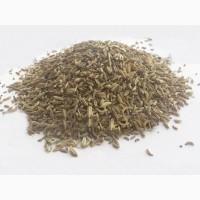
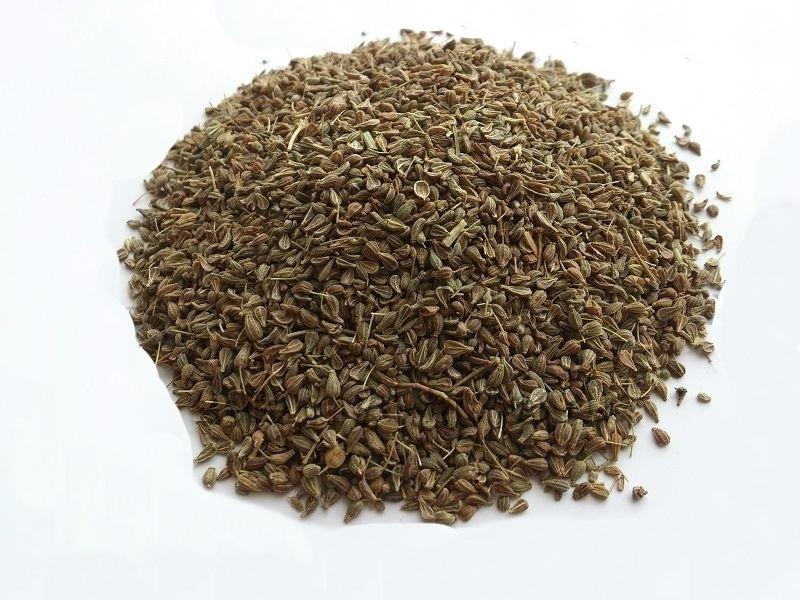
Anise ordinary (fruits) 1kg, Kharkiv region.
Region:all Ukraine,
Kharkovskaya region.
(Kharkiv)
Updated:
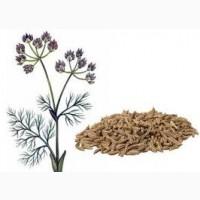
The benefits of anise fruits have been revealed in various diseases of the respiratory organs, such as asthma, whooping cough, cough, sore throat, tracheitis, bronchitis, pneumonia, tuberculosis of the lungs, catarrh of the upper respiratory tract, etc. In addition, this plant can be used for liver diseases, gastritis, gastric colic, constipation, flatulence and digestive disorders leading to anorexia. Anise fruits help normalize lactation with hypogalactia. They are also used externally for halitosis, pharyngitis, laryngitis and other diseases of the oral cavity, as well as for burns. Various remedies prepared from this plant help to avoid cataracts and some other serious eye diseases. They treat impotence, urolithiasis, cystitis, pyelonephritis, urethritis, colds and fever. This part of the plant has been widely used in cooking, as well as in some other areas, such as soap making, beekeeping, etc. In traditional medicine, anise is used to treat many diseases, as it has expectorant, laxative, carminative, anti-inflammatory and other properties. So, drinks prepared from the fruits of this plant help with tuberculosis, pneumonia, cough and other diseases of the respiratory system. Anise fruits are also used for impotence, liver diseases, inflammation of the bladder and other ailments. Prepared anise fruits contain about 20% of various protein substances, as well as no less significant amount offatty oil. In addition, they contain organic acids,sugar and essentialoil, including, in turn, about a dozen components useful for the body.
|
Author, contacts | |
Юлия/ отзывы, инфо./ activity evaluation | |
|
Phone:
+38(xxxxxx
show
| |
| Viber: 380672594366 | |
All user ads ~206 | |
Ad ID: #1115461
(added by a registered user, registration date: 04-30-2021)
Added / Updated: 09-02-2026 18:42 (relevant, until: 02-09-2027)
Permanent ad address:
Showed / watched for today: ?, total: ?
Similar ads
Among them there are many interesting...