For sale / buy
For foliar fertilization of winter and spring cereals, Dnipropetrovsk region.
Region:all of Ukraine,
Dnipropetrovsk region.
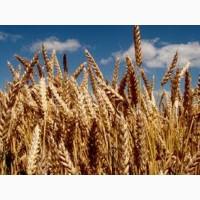
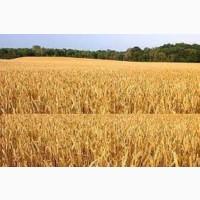
(Dnipropetrovsk region. City of Dnipro, Topolya-2) wheat
Purpose of grain: Seed material
Purpose of grain: Seed material
Purpose of grain:Seeds / sow mat
For foliar feeding of winter and springcereals, corn, legumes and oil crops.
Greenfort Universal 14(nitrogen)-44(phosphorus)-8(potassium) + ME
25 kg-2257 gr. (development of a strong root system)
GREENFORT TM Universal 19(nitrogen)-19(phosphorus)-19(potassium)+ME (active growth) 25kg-1852g
GREENFORT TM Universal 5(nitrogen)-20(phosphorus)-32(potassium)+ME 25kg -2172g
RIPENING OF FRUITS
Foliar top dressing spraying with a 1-2% solution of the product (2-5 kg/ha) When watering in closed soil (0.5-3 kg/1000 l of water): in open soil 0.1-0.2% (1-2 kg/1000 l of water)
There are several ways of applying phosphoric fertilizers: the main application is under deep soiling to apply in the wet layer, pre-sowing and so on. Most agronomists use post-sowing application of phosphorus.
According to the table with the scientific data of the studies that were conducted with phosphorus isotopes, it can be noted that most of all phosphorus is needed by the culture at the beginning of the growing season.(//tractor-service.com)
And you can also see how the situation changes as the plant develops: while the root system is not yet sufficiently developed in the early stages of growth, most of the phosphorus is consumed from the applied fertilizers, and a small part of the phosphorus originally contained in the soil.
It is also necessary to take into account the rate of absorption of phosphorus by the plant during the entire growing season. Thus, in the first two weeks of crop growth, it needs minimal phosphorus nutrition. And in the next two weeks of development, the rate of phosphorus consumption increases: in the tillering phase ‒ 6 times, after 2 weeks ‒ 3 times, and from the 6th to the 8th week ‒ 1.5 times. That is, the principle is that phosphorus is necessary for plants throughout the growing season, but the rates of its consumption decrease in the later phases of growth.
If one compares all these principles of phosphorus nutrition (consumption at different depths, distribution of nutrition from fertilizers and soil, and rates of phosphorus absorption), the question arises: what method of fertilizer application is best to use? And you need to determine the effectiveness of the following methods:
1). Scattering for pre-sowing cultivation or disking, that is, for surface sealing.
According to some opinions, this technique is considered a deliberate mistake. Phosphorous fertilizers are mixed with a large amount of soil and fixed at a depth of up to 10 cm. At the beginning of the growing season, plant roots are unlikely to develop sideways, in the surface layers of the soil, especially during drought. The roots will grow downward in search of moisture and nutrition. Therefore, such application of phosphorus is considered ineffective.
2). Application during sowing in a row.
This distribution of fertilizer directly near the seeds has been tested in practice many times, and is considered very effective, giving a good utilization rate in the first hour of fertilization.
3) The main application of phosphorus, with a deeper seal in the wet layer.
If such a method is used, it is recommended to supplement it with post-sowing application. This is explained by the fact that while the root system grows to a deep nutrient layer, by this time the plant will consume more phosphorus from the soil and less from fertilizer. And the rate of phosphorus absorption will also decrease. Therefore, if only the main application is applied, then in the initial phases of plant development, a lack of phosphorus nutrition can be observed, which will be impossible to compensate for in subsequent phases. of course, it is worth reminding about another very important factor in the phosphorus nutrition of plants. Many agronomists say that phosphorus fertilizers did not work on their fields. And this is already a question of the balance of all power elements. If the effect of phosphorus fertilizers is not visible, then the main mistake is a lack of other macronutrients, and primarily nitrogen. You can learn more about the action and effects of fertilizers in the article "Consumption of applied mineral fertilizers and their effects".
Potassium (K) is not part of organic compounds, but at the same time promotes the transportation of plastic substances from vegetative organs to productive organs (plastic substances strengthen fruits, reduce damage by diseases and pests, improve preservation), activates the synthesis of many vitamins, carbohydrates, reduces the accumulation of nitrates in vegetable production. A lack of potassium nutrition reduces the synthesis of vitamins and carbohydrates, sharply increases the content of nitrates, and reduces the shelf life of products. An excess of potassium reduces plant metabolism and reduces the supply of other substances (calcium (Ca), magnesium (Mg), etc.).
Azot
Purpose of grain:Seeds / sow mat
For foliar feeding of winter and springcereals, corn, legumes and oil crops.
Greenfort Universal 14(nitrogen)-44(phosphorus)-8(potassium) + ME
25 kg-2257 gr. (development of a strong root system)
GREENFORT TM Universal 19(nitrogen)-19(phosphorus)-19(potassium)+ME (active growth) 25kg-1852g
GREENFORT TM Universal 5(nitrogen)-20(phosphorus)-32(potassium)+ME 25kg -2172g
RIPENING OF FRUITS
Foliar top dressing spraying with a 1-2% solution of the product (2-5 kg/ha) When watering in closed soil (0.5-3 kg/1000 l of water): in open soil 0.1-0.2% (1-2 kg/1000 l of water)
There are several ways of applying phosphoric fertilizers: the main application is under deep soiling to apply in the wet layer, pre-sowing and so on. Most agronomists use post-sowing application of phosphorus.
According to the table with the scientific data of the studies that were conducted with phosphorus isotopes, it can be noted that most of all phosphorus is needed by the culture at the beginning of the growing season.(//tractor-service.com)
And you can also see how the situation changes as the plant develops: while the root system is not yet sufficiently developed in the early stages of growth, most of the phosphorus is consumed from the applied fertilizers, and a small part of the phosphorus originally contained in the soil.
It is also necessary to take into account the rate of absorption of phosphorus by the plant during the entire growing season. Thus, in the first two weeks of crop growth, it needs minimal phosphorus nutrition. And in the next two weeks of development, the rate of phosphorus consumption increases: in the tillering phase ‒ 6 times, after 2 weeks ‒ 3 times, and from the 6th to the 8th week ‒ 1.5 times. That is, the principle is that phosphorus is necessary for plants throughout the growing season, but the rates of its consumption decrease in the later phases of growth.
If one compares all these principles of phosphorus nutrition (consumption at different depths, distribution of nutrition from fertilizers and soil, and rates of phosphorus absorption), the question arises: what method of fertilizer application is best to use? And you need to determine the effectiveness of the following methods:
1). Scattering for pre-sowing cultivation or disking, that is, for surface sealing.
According to some opinions, this technique is considered a deliberate mistake. Phosphorous fertilizers are mixed with a large amount of soil and fixed at a depth of up to 10 cm. At the beginning of the growing season, plant roots are unlikely to develop sideways, in the surface layers of the soil, especially during drought. The roots will grow downward in search of moisture and nutrition. Therefore, such application of phosphorus is considered ineffective.
2). Application during sowing in a row.
This distribution of fertilizer directly near the seeds has been tested in practice many times, and is considered very effective, giving a good utilization rate in the first hour of fertilization.
3) The main application of phosphorus, with a deeper seal in the wet layer.
If such a method is used, it is recommended to supplement it with post-sowing application. This is explained by the fact that while the root system grows to a deep nutrient layer, by this time the plant will consume more phosphorus from the soil and less from fertilizer. And the rate of phosphorus absorption will also decrease. Therefore, if only the main application is applied, then in the initial phases of plant development, a lack of phosphorus nutrition can be observed, which will be impossible to compensate for in subsequent phases. of course, it is worth reminding about another very important factor in the phosphorus nutrition of plants. Many agronomists say that phosphorus fertilizers did not work on their fields. And this is already a question of the balance of all power elements. If the effect of phosphorus fertilizers is not visible, then the main mistake is a lack of other macronutrients, and primarily nitrogen. You can learn more about the action and effects of fertilizers in the article "Consumption of applied mineral fertilizers and their effects".
Potassium (K) is not part of organic compounds, but at the same time promotes the transportation of plastic substances from vegetative organs to productive organs (plastic substances strengthen fruits, reduce damage by diseases and pests, improve preservation), activates the synthesis of many vitamins, carbohydrates, reduces the accumulation of nitrates in vegetable production. A lack of potassium nutrition reduces the synthesis of vitamins and carbohydrates, sharply increases the content of nitrates, and reduces the shelf life of products. An excess of potassium reduces plant metabolism and reduces the supply of other substances (calcium (Ca), magnesium (Mg), etc.).
Azot
Ad ID: #1093826
(added by a registered user)
Permanent ad address:
Showed / watched for today: ?, total: ?
Similar fresh ads
Among them are many interesting...