Sell / buy
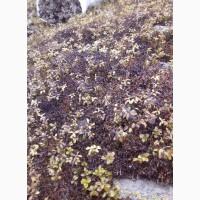
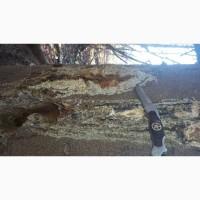
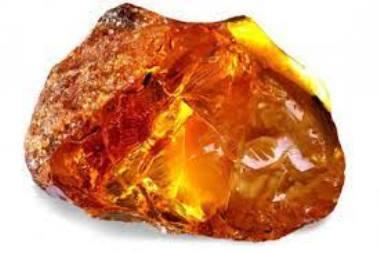
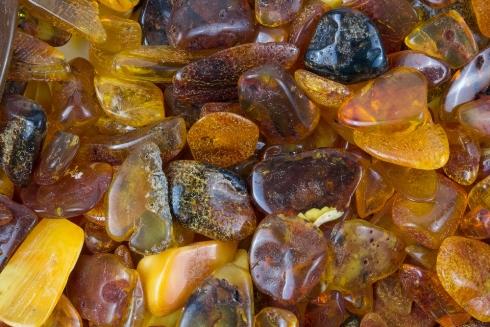
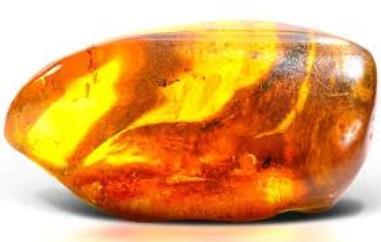
YakhvA balm -5 with amber, Dnipropetrovsk region.
Price160 UAH.
Region:all of Ukraine,
Dnepropetrovsk region.
(Https://dobriy-lis.all.biz/)
Updated:
Unique balm YahvA-5 with amber with juices of 20vegetables ,fruits, citrus fruits, on a hydrolate of 32 herbs and roots, with juices and tinctures of herbs on honey water completely removes calcifications from the body.
Calcium salts are deposited in various organs and parts of the body:
• arteries
• pericardium (heart sac)
• kidneys
• joints and tendons
• soft tissues and be diagnosed in mammary glands, muscles and ligaments, fatty deposits;
• in the thyroid gland
• vascular system;
• heart muscle;
• brain;
• liver and gallbladder;
• organs of the urinary system, more often the kidneys and urinary reservoir.
Calcification is most often associated with age-related changes, but sometimes infections, injuries and even cancer are the cause. The danger of calcinosis depends on the location — it is bad if it is in the arteries, kidneys, or pericardium.
Calcifications can appear in any organs and tissues, and most often they are a symptom of the underlying disease. Common symptoms of calcinosis itself include signs of chronic inflammation (weakness, fever), poor appetite, sleep disorders (insomnia, daytime sleepiness), neurological disorders (dizziness and headaches, irritability). Local symptoms appear depending on which organs and tissues are affected by calcinosis.
Calcinations in the lungs
Among the symptoms of lung calcification are increased shallow breathing (tachypnea), shortness of breath, cyanosis (blueness of the face, hands, feet). In addition, with a long course of the disease, "drumsticks" and "temporal glasses" are formed: fingers lengthen, nails expand.
Calcinations in the kidneys
The most pronounced clinical picture of calcinosis is calcification in the kidneys. The volume of urine decreases sharply (because the filtration function of the kidneys is impaired); urine toxins accumulate in the blood, and because of this, an unpleasant smell from the mouth (the smell of acetone) appears, and the skin turns yellow. The face and legs swell. Renal edemas differ from cardiac ones in that they do not have a blue tint and are not cold to the touch. Signs of kidney failure also develop (disordered appetite, sleep, weakness, dizziness).
In the kidneys, as in the case of damage to other organs, calcinosis is the result of chronic inflammation. At the top of the list of causes of calcification of areas in the kidneys, as in the case of the lungs, is tuberculosis. Also, calcifications can appear in people who have suffered pyelonephritis, especially if they have not completed a full course of therapy.
Calcinations in the liver
With calcinosis of the liver, there are pains in the right hypochondrium, varicose veins of the anterior abdominal wall (due to the specific appearance that the stomach acquires during this, this manifestation is called the "head of the jellyfish"), the esophagus (this causes the appearance of bloody vomiting). Fluid accumulates in the abdominal cavity, i.e., ascites occurs.
Calcinations in the prostate
The reason for the formation of calcifications in the prostate, in addition to the inflammatory process, may be a violation of blood circulation. They also often appear in men who have suffered from sexually transmitted infections or who suffer from chronic prostatitis. When the patient's venous outflow from the tissues of the prostate is disturbed, some parts of the prostate gland compress the edema, and they are not supplied with enough oxygen. As a result of the action of all the listed factors (as well as a number of others), changes at the cellular level appear in the prostate and, as a result, areas of calcification.
If calcium salts accumulate in the prostate gland, less sperm is produced, and it becomes thicker. Due to the fact that calcifications block the urethra, urination is disturbed.
Calcinations develop in other organs as well, causing:
• Calcinosis of soft tissues
• Vascular calcinosis(//tractor-service.com)
• Calcinosis of the heart (The antidote of YAHVA-5 balm with amber tincture affects the cardiovascular system through several channels:
1) Prevents deposition and promotes absorption of calcium salts in vessels and valves;
3) Prevents an increase in calciuminside the cell, stimulates the stabilization of blood pressure.
• Calcinosis of the brain
• Calcinosis of bones and joints
• Calcinosis of visceral organs and glands
• Calcinosis of the adrenal gland
• Liver calcinosis
• Gallbladder calcinosis
• Pancreatic calcinosis
• Calcinosis of the thyroid gland
• Calcinosis of lymph nodes
• Calcination in the uterus after childbirth, causing pathological changes in the uterine organ (development of fibroids, endometriosis)
• Calcinosis of the skin
2. Relieves stress, insomnia
You need to survive stressful situations, resolve conflicts, and solve problems, but for this you must first calm down. At such a moment, you will need the support of complex juices, tinctures, and herbal hydrolats of YHvA-5 balm with amber, which helps to restore the balance between nervous excitation and inhibition, and allows you to stabilize physiological and mental processes in the body.
Due to the absence of negative effects on the body, it is possible to use ego for a long period of time. The average duration of one admission course varies from several weeks to three months.
3. Cleans blood vessels from dead cells, antibodies, calcifications and sugars
4. Ears from mites (demodecosis) and bacteria.
5. Lungs - recovery after surgery
6. Stomach - polyps, chemistry. It is necessary to treat polyps. And it should be done at least because of this, so as not to be afraid of their imperceptible transformation into cancer. In addition, many unpleasant symptoms can be avoided thanks to the successful treatment of gastric ulcers. For example, bleeding that occurs as a result of tissue death of polyps, or painful sensations that accompany eating.
The synergy of the components of the YAHVA-5 balm with amber helps to cope with the hyperplastic form of polypous growths, with formations mainly located in the lower part of the organ and gives a good result. It is necessary to take it in order to dissolve newly formed ones, as a good antibacterial agent and in order to start the body's restorative functions. It is worth noting that the recovery process will not be fast, so you need to be patient.
7. Testicles-calcifications, toxoplasmosis
Toxoplasmosis is a protozoan infectious disease that has a long course and leads to damage to many body systems. The acute form is manifested clinically by an increase in temperature, skin rashes, an increase in lymph nodes, liver, and spleen.
8. Muscles - trichinellosis. It blocks the entry of a parasite belonging to the class of nematodes and its larvae into the body, preventing the deposition of sexually mature trichinella larvae in the human intestine (further through the intestinal mucosa, they penetrate into the lymphatic system, then into the blood and spread throughout the body). and their distribution in muscles, in skeletal striated muscles with blood flow. It is very important that the developed larvae, covered with a capsule, subsequently die when the capsule is destroyed by the drug (the functions of the capsule are nutritious and protective. When calcifications accumulate in the body, calcification of the capsule occurs after a few months, which lasts for about 2 years. In the capsules, the larvae retain viability for 25 years or more).
9. Eyes: chlamydia, fungi, calcifications, restores blood supply
Prevents retinal blood circulation disorders. It restores the nutrition and respiration of the cells of the lenses of the eyes, cleaning the capillaries from calcifications. allow to maintain blood circulation in good condition. Removes the dryness of the mucous membrane of the eye, ensuring clarity of vision due to the purity of the transparent membranes through which the light beam reflected by objects passes.
DOSAGE: 20-30 drops 3r per day, a course of 2-4 months.
Calcium salts are deposited in various organs and parts of the body:
• arteries
• pericardium (heart sac)
• kidneys
• joints and tendons
• soft tissues and be diagnosed in mammary glands, muscles and ligaments, fatty deposits;
• in the thyroid gland
• vascular system;
• heart muscle;
• brain;
• liver and gallbladder;
• organs of the urinary system, more often the kidneys and urinary reservoir.
Calcification is most often associated with age-related changes, but sometimes infections, injuries and even cancer are the cause. The danger of calcinosis depends on the location — it is bad if it is in the arteries, kidneys, or pericardium.
Calcifications can appear in any organs and tissues, and most often they are a symptom of the underlying disease. Common symptoms of calcinosis itself include signs of chronic inflammation (weakness, fever), poor appetite, sleep disorders (insomnia, daytime sleepiness), neurological disorders (dizziness and headaches, irritability). Local symptoms appear depending on which organs and tissues are affected by calcinosis.
Calcinations in the lungs
Among the symptoms of lung calcification are increased shallow breathing (tachypnea), shortness of breath, cyanosis (blueness of the face, hands, feet). In addition, with a long course of the disease, "drumsticks" and "temporal glasses" are formed: fingers lengthen, nails expand.
Calcinations in the kidneys
The most pronounced clinical picture of calcinosis is calcification in the kidneys. The volume of urine decreases sharply (because the filtration function of the kidneys is impaired); urine toxins accumulate in the blood, and because of this, an unpleasant smell from the mouth (the smell of acetone) appears, and the skin turns yellow. The face and legs swell. Renal edemas differ from cardiac ones in that they do not have a blue tint and are not cold to the touch. Signs of kidney failure also develop (disordered appetite, sleep, weakness, dizziness).
In the kidneys, as in the case of damage to other organs, calcinosis is the result of chronic inflammation. At the top of the list of causes of calcification of areas in the kidneys, as in the case of the lungs, is tuberculosis. Also, calcifications can appear in people who have suffered pyelonephritis, especially if they have not completed a full course of therapy.
Calcinations in the liver
With calcinosis of the liver, there are pains in the right hypochondrium, varicose veins of the anterior abdominal wall (due to the specific appearance that the stomach acquires during this, this manifestation is called the "head of the jellyfish"), the esophagus (this causes the appearance of bloody vomiting). Fluid accumulates in the abdominal cavity, i.e., ascites occurs.
Calcinations in the prostate
The reason for the formation of calcifications in the prostate, in addition to the inflammatory process, may be a violation of blood circulation. They also often appear in men who have suffered from sexually transmitted infections or who suffer from chronic prostatitis. When the patient's venous outflow from the tissues of the prostate is disturbed, some parts of the prostate gland compress the edema, and they are not supplied with enough oxygen. As a result of the action of all the listed factors (as well as a number of others), changes at the cellular level appear in the prostate and, as a result, areas of calcification.
If calcium salts accumulate in the prostate gland, less sperm is produced, and it becomes thicker. Due to the fact that calcifications block the urethra, urination is disturbed.
Calcinations develop in other organs as well, causing:
• Calcinosis of soft tissues
• Vascular calcinosis(//tractor-service.com)
• Calcinosis of the heart (The antidote of YAHVA-5 balm with amber tincture affects the cardiovascular system through several channels:
1) Prevents deposition and promotes absorption of calcium salts in vessels and valves;
3) Prevents an increase in calciuminside the cell, stimulates the stabilization of blood pressure.
• Calcinosis of the brain
• Calcinosis of bones and joints
• Calcinosis of visceral organs and glands
• Calcinosis of the adrenal gland
• Liver calcinosis
• Gallbladder calcinosis
• Pancreatic calcinosis
• Calcinosis of the thyroid gland
• Calcinosis of lymph nodes
• Calcination in the uterus after childbirth, causing pathological changes in the uterine organ (development of fibroids, endometriosis)
• Calcinosis of the skin
2. Relieves stress, insomnia
You need to survive stressful situations, resolve conflicts, and solve problems, but for this you must first calm down. At such a moment, you will need the support of complex juices, tinctures, and herbal hydrolats of YHvA-5 balm with amber, which helps to restore the balance between nervous excitation and inhibition, and allows you to stabilize physiological and mental processes in the body.
Due to the absence of negative effects on the body, it is possible to use ego for a long period of time. The average duration of one admission course varies from several weeks to three months.
3. Cleans blood vessels from dead cells, antibodies, calcifications and sugars
4. Ears from mites (demodecosis) and bacteria.
5. Lungs - recovery after surgery
6. Stomach - polyps, chemistry. It is necessary to treat polyps. And it should be done at least because of this, so as not to be afraid of their imperceptible transformation into cancer. In addition, many unpleasant symptoms can be avoided thanks to the successful treatment of gastric ulcers. For example, bleeding that occurs as a result of tissue death of polyps, or painful sensations that accompany eating.
The synergy of the components of the YAHVA-5 balm with amber helps to cope with the hyperplastic form of polypous growths, with formations mainly located in the lower part of the organ and gives a good result. It is necessary to take it in order to dissolve newly formed ones, as a good antibacterial agent and in order to start the body's restorative functions. It is worth noting that the recovery process will not be fast, so you need to be patient.
7. Testicles-calcifications, toxoplasmosis
Toxoplasmosis is a protozoan infectious disease that has a long course and leads to damage to many body systems. The acute form is manifested clinically by an increase in temperature, skin rashes, an increase in lymph nodes, liver, and spleen.
8. Muscles - trichinellosis. It blocks the entry of a parasite belonging to the class of nematodes and its larvae into the body, preventing the deposition of sexually mature trichinella larvae in the human intestine (further through the intestinal mucosa, they penetrate into the lymphatic system, then into the blood and spread throughout the body). and their distribution in muscles, in skeletal striated muscles with blood flow. It is very important that the developed larvae, covered with a capsule, subsequently die when the capsule is destroyed by the drug (the functions of the capsule are nutritious and protective. When calcifications accumulate in the body, calcification of the capsule occurs after a few months, which lasts for about 2 years. In the capsules, the larvae retain viability for 25 years or more).
9. Eyes: chlamydia, fungi, calcifications, restores blood supply
Prevents retinal blood circulation disorders. It restores the nutrition and respiration of the cells of the lenses of the eyes, cleaning the capillaries from calcifications. allow to maintain blood circulation in good condition. Removes the dryness of the mucous membrane of the eye, ensuring clarity of vision due to the purity of the transparent membranes through which the light beam reflected by objects passes.
DOSAGE: 20-30 drops 3r per day, a course of 2-4 months.
|
Shop, contacts | |
Yuriy Yuryevich / отзывы, инфо./ activity assessment | |
|
Telephone:
(067xxxxxx
показать
| |
| https://dobriy-lis.all.biz/ | |
All ads user ~57 | |
Ad ID: #1092560
(added by a registered user, registration date: 08-20-2014)
Added / Updated: 07-07-2026 06:14 (current, until: 07-07-2027)
Permanent ad address:
Showed / watched for today: ?, total: ?