/ Products of processing of agricultural raw materials / Soda / Torgovo-Proizvodstvennoe predpriyatie OOO Agrokoms...


For sale / купить
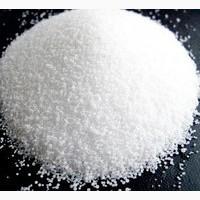
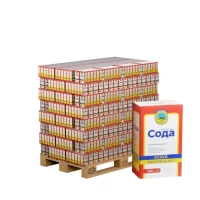
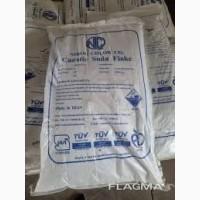
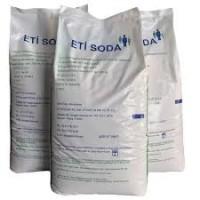
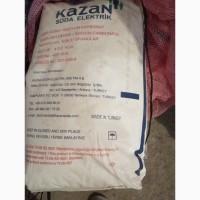
Torgovo-Proizvodstvennoe predpriyatie OOO Agrokoms LTD offers soda feed, Kyiv
Region:all of Ukraine,
Kyiv
(Ul. Maksima Berlinskogo kv 20)
Under normal conditions, the body can regulate its own pH with the help of a natural buffer system, for example, with the help of bicarbonate formed in the body. But in order to increase the productivity of animals, they are fed concentratedfeeds with a high concentration of energy, which are quickly fermented.
In addition, these feed rations often have an acidic effect, which means that their breakdown leads to the formation of a significant amount of acidic compounds (volatile fatty acids). This can lead to metabolic acidosis, followed by a decrease in productivity and an increase in the risk of diseases.
About the pH indicator
Hydrogen index. Abbreviation of "pH" from Potentio Hydrogenii. Translated: "weight of hydrogen". This is a measure of the activity of hydrogen ions in a solution, quantitatively expressing its acidity. The more hydrogen ions in the solution, the more acidic it is. The pH measurement scale starts with 0 and ends with 14.
A pH of 7 is considered neutral. This means that the proportions of acid and alkali in the solution are the same.
• The pH indicator from 0 to 6.9 indicates an acidic environment. The lower the number, the more acidic the solution.
• The pH value is 7 – the solution is neutral.
• The indicator from 7.1 to 14 indicates an alkaline environment. The higher the number, the more alkaline the solution.
The assimilation of nutrients by farm animals is optimal at a certain pH level. For cows, the optimal pH value in the rumen is between 6.0 and 6.4. In pigs, the blood pH indicator should be around 7.4, in poultry - between 7.0 and 7.8.
SODA AS A MEANS FOR PREVENTING ACIDOSIS IN ANIMALS
To ensure safe feeding of agricultural animals and prevent acidosis, buffer substances are added to feed. This allows you to maintain the optimal pH value thanks to the neutralization of acidic compounds.
The most common natural source with a high buffer capacity is soda (sodium bicarbonate). A German study (Dr. Malkov-Nerge, 2013) showed that the addition of soda to cows' feed rations with a high energy concentration (up to 11.6 kg of concentrates per head per day) is sufficient to maintain the pH in the rumen of ruminants at the proper level.
BUFFERING FOR BIOGAS PRODUCTION
When producing biogas, the optimal pH value is between 6.5 and 7.5. And here, soda helps to keep the acidity in the fermenter at an optimal level and create optimal conditions for microorganisms, which contributes to the high productivity of the biogas plant.
WHY ARE THEY TALKING ABOUT BUFFER CAPACITY?
The buffer capacity of a compound is its ability to stabilize the pH value. The same thing happens with a buffer tank as with a sponge that absorbs moisture. This is the ability to absorb and neutralize acidic (or alkaline) compounds.
The higher the buffer capacity, the larger the "sponge", and the better it can absorb the acids and alkalis of its environment. When a buffer substance is added to the feed, it balances the acid action and, thus, stabilizes the pH at the required level.(//tractor-service.com)
RECOMMENDATIONS FOR USING SODA FOR FARM ANIMALS
Soda in feeding cows and pigsSoda for cows and cattle can be used in the following dosages:
Cattle fattening: 40-80 g per day.
Cows (except dry cows!): 100-180 g per day.
Calves: 20-40 g per day.
Soda for sheep: 10-30 g per day.
Soda for poultry (laying hens): 0.3-0.5 g per day
Soda for pigs:
High-pregnant and lactating sows: 25-30 g per day
Pigs for fattening: 5-20 g per day depending on weight.
Learn more about the use of soda in feeding cows.
Read about buffer capacity and acid binding in pig breeding.
CHEMICAL COMPOSITION OF SODA
Nutrient index g/kg natural weight
Dry matter 970
Raw ash 970
Sodium 270
Fodder additivesadditives - buffer substances
They are used to prevent an unwanted decrease in the pH indicator in the rumen of ruminant animals. When feeding rations for dairy cows and fattening cattle, poor in structural fiber, use 20-30 g of sodium or potassium bicarbonate, or 10-15 g of magnesium oxide per 100 kg of body weight per day. Sodium acetate (200-400 g per head per day) is also suitable for these purposes. The buffer substance is also caustic soda (caustic soda), used in the production of soda grains or processed straw.
In addition, these feed rations often have an acidic effect, which means that their breakdown leads to the formation of a significant amount of acidic compounds (volatile fatty acids). This can lead to metabolic acidosis, followed by a decrease in productivity and an increase in the risk of diseases.
About the pH indicator
Hydrogen index. Abbreviation of "pH" from Potentio Hydrogenii. Translated: "weight of hydrogen". This is a measure of the activity of hydrogen ions in a solution, quantitatively expressing its acidity. The more hydrogen ions in the solution, the more acidic it is. The pH measurement scale starts with 0 and ends with 14.
A pH of 7 is considered neutral. This means that the proportions of acid and alkali in the solution are the same.
• The pH indicator from 0 to 6.9 indicates an acidic environment. The lower the number, the more acidic the solution.
• The pH value is 7 – the solution is neutral.
• The indicator from 7.1 to 14 indicates an alkaline environment. The higher the number, the more alkaline the solution.
The assimilation of nutrients by farm animals is optimal at a certain pH level. For cows, the optimal pH value in the rumen is between 6.0 and 6.4. In pigs, the blood pH indicator should be around 7.4, in poultry - between 7.0 and 7.8.
SODA AS A MEANS FOR PREVENTING ACIDOSIS IN ANIMALS
To ensure safe feeding of agricultural animals and prevent acidosis, buffer substances are added to feed. This allows you to maintain the optimal pH value thanks to the neutralization of acidic compounds.
The most common natural source with a high buffer capacity is soda (sodium bicarbonate). A German study (Dr. Malkov-Nerge, 2013) showed that the addition of soda to cows' feed rations with a high energy concentration (up to 11.6 kg of concentrates per head per day) is sufficient to maintain the pH in the rumen of ruminants at the proper level.
BUFFERING FOR BIOGAS PRODUCTION
When producing biogas, the optimal pH value is between 6.5 and 7.5. And here, soda helps to keep the acidity in the fermenter at an optimal level and create optimal conditions for microorganisms, which contributes to the high productivity of the biogas plant.
WHY ARE THEY TALKING ABOUT BUFFER CAPACITY?
The buffer capacity of a compound is its ability to stabilize the pH value. The same thing happens with a buffer tank as with a sponge that absorbs moisture. This is the ability to absorb and neutralize acidic (or alkaline) compounds.
The higher the buffer capacity, the larger the "sponge", and the better it can absorb the acids and alkalis of its environment. When a buffer substance is added to the feed, it balances the acid action and, thus, stabilizes the pH at the required level.(//tractor-service.com)
RECOMMENDATIONS FOR USING SODA FOR FARM ANIMALS
Soda in feeding cows and pigsSoda for cows and cattle can be used in the following dosages:
Cattle fattening: 40-80 g per day.
Cows (except dry cows!): 100-180 g per day.
Calves: 20-40 g per day.
Soda for sheep: 10-30 g per day.
Soda for poultry (laying hens): 0.3-0.5 g per day
Soda for pigs:
High-pregnant and lactating sows: 25-30 g per day
Pigs for fattening: 5-20 g per day depending on weight.
Learn more about the use of soda in feeding cows.
Read about buffer capacity and acid binding in pig breeding.
CHEMICAL COMPOSITION OF SODA
Nutrient index g/kg natural weight
Dry matter 970
Raw ash 970
Sodium 270
Fodder additivesadditives - buffer substances
They are used to prevent an unwanted decrease in the pH indicator in the rumen of ruminant animals. When feeding rations for dairy cows and fattening cattle, poor in structural fiber, use 20-30 g of sodium or potassium bicarbonate, or 10-15 g of magnesium oxide per 100 kg of body weight per day. Sodium acetate (200-400 g per head per day) is also suitable for these purposes. The buffer substance is also caustic soda (caustic soda), used in the production of soda grains or processed straw.
agrokomsmilk.wixsite.com/gold
Ad ID: #1042355
(added by a registered user)
Permanent ad address:
Showed / watched for today: ?, total: ?
Similar fresh ads
Among them there are many interesting ones...